

NEWS
The II International Congress on Housing and City brings together academics, institutions and experts to address the major housing challenges

The Barcelona Chair of Housing Studies organised two days of debate on demography, residential markets, governance, taxation, homelessness and ageing, among other topics
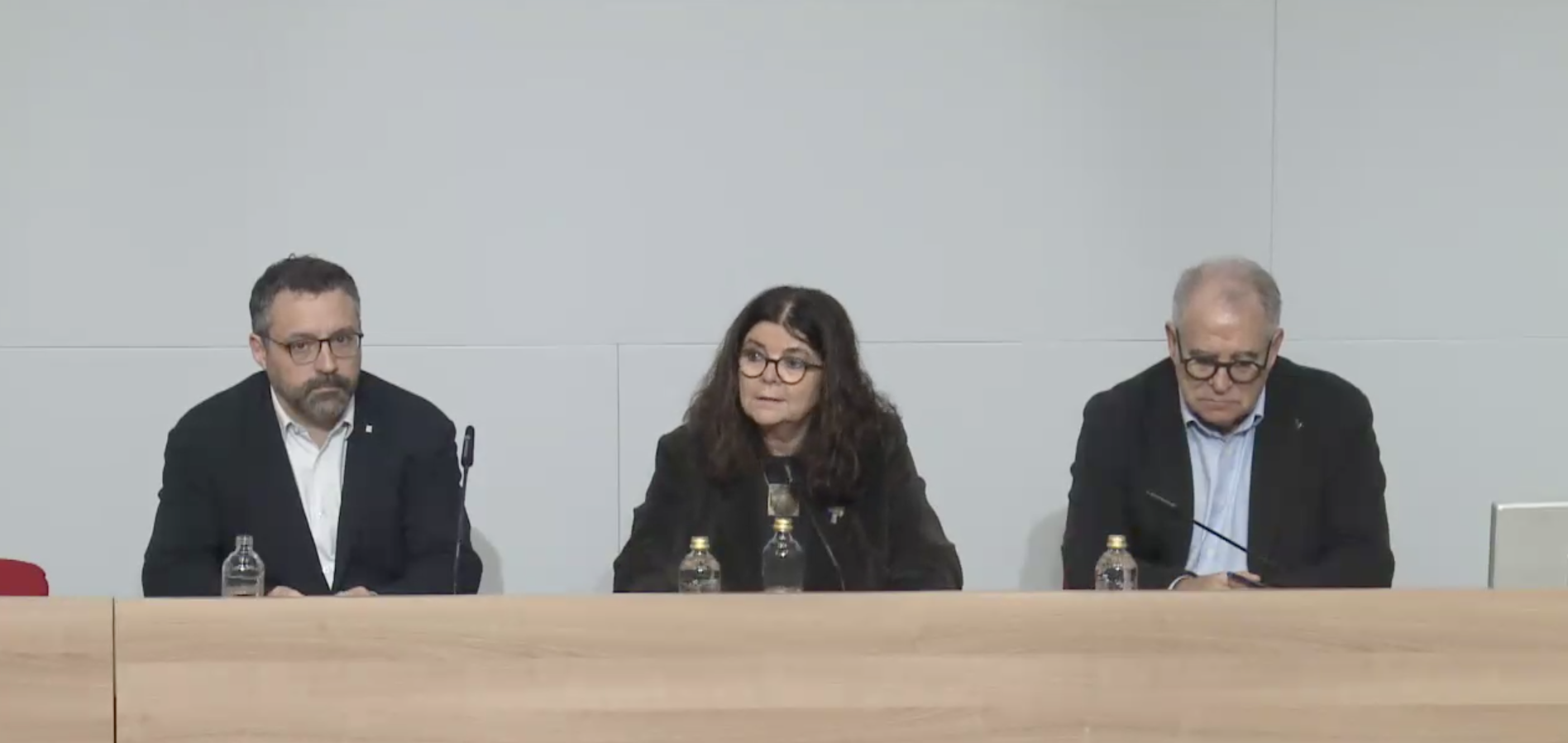
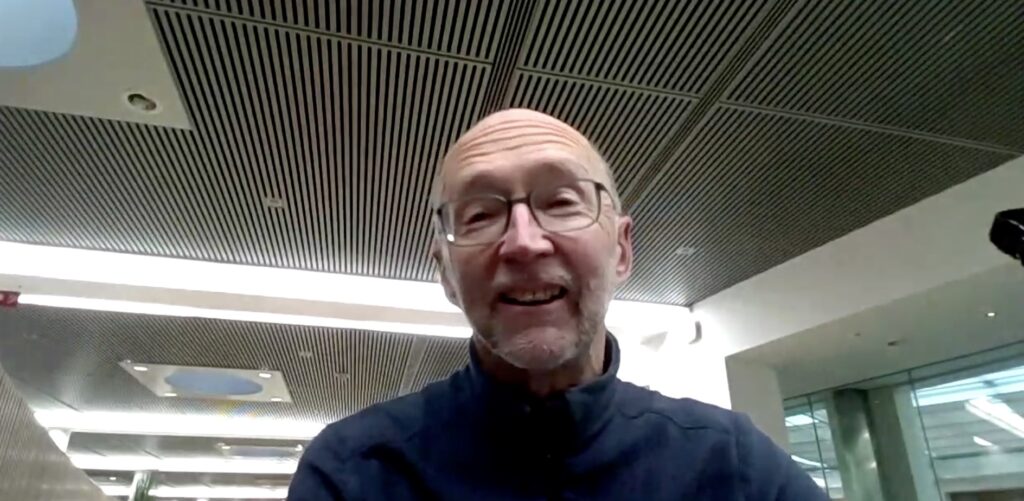
On 23 November 2026, the II International Congress on Housing and City was inaugurated, organised by the Barcelona Chair of Housing Studies. The opening and welcome session began with remarks by Dr Montserrat Pareja-Eastaway, president of the European Network for Housing Research and co-director of the Chair, who highlighted the major challenge that housing represents. According to her, it is clear that more public and private investment is needed, but with clear limits and rules, and she stressed the need for scientific evidence to improve public policies.
Pareja-Eastaway presented the Chair as a shared project between four universities —the University of Barcelona (UB), the Polytechnic University of Catalonia (UPC), the Autonomous University of Barcelona (UAB) and Pompeu Fabra University (UPF)— with more than four years of track record and with the aim of supporting this mission. In this regard, she recalled that the Chair is made up of four co-directors —David Hernández Falagán (UPC), Montserrat Pareja (UB), Juli Ponce (UB), Judith Gifreu (UAB) and Josep Ferrer (UPF)— and is coordinated by Wellington Migliari.
The co-director explained that the congress addresses multiple dimensions —demography, urban regeneration, residential markets, governance, property structure, health, legal innovation, taxation, homelessness and ageing— and vindicated housing as an area where the market, the asset, the living space, the welfare infrastructure and the right converge. Before giving the floor to the institutional guests, she reflected on the weight of governance at three scales (local, regional and European) and the tension between urgency and the long term, with assessments always based on evidence. She thanked everyone for their presence, especially the institutional representatives, the other co-directors and the congress organisation.

The European perspective
The first intervention was by Mr Matthew Baldwin, Deputy Director-General of the European Commission, who participated online from Brussels. Baldwin contextualised the European housing crisis, which particularly affects young people (the average age of emancipation is approaching 30), families and essential workers. He presented the European Affordable Housing Plan (December 2025) and the Housing Task Force he leads, and structured his intervention around several pillars: construction and skills (with a European construction strategy and the training of 3 million workers per year until 2030); market pressures (regulation of non-residential uses, such as tourist rentals, second homes and empty dwellings, which can represent up to 20% of the European housing stock); investment and financial practices (reports on speculative trends, prices and ownership, and taxation); the European Investment Platform (launch scheduled for 1 December); vulnerable groups (1.4 million homeless people in the EU, 400,000 children, with a Housing First approach); and young people and students (feasibility study on deposit guarantees and an Erasmus+ pilot project). He concluded that housing is also a problem of economic competitiveness.
Catalan and local policy
In the second intervention, Mr Jordi Mas, Director-General of Housing of the Generalitat de Catalunya, thanked the congress organisation and the Chair for its work. He explained that the Generalitat has placed housing at the centre of its policies for a little over two years, in two directions: increasing the production of protected housing (social rental and acquisition of housing to allocate it to protection) and regulation (rent containment, regulation of tourist and seasonal rentals), with special attention to scientific evidence to assess its impact. He called on the academic community to provide evidence on the effects of regulation in areas such as tourism, seasonal rentals or teleworking.
To close the institutional interventions, Mr Jordi Valls, Fourth Deputy Mayor of Barcelona City Council, reflected on the 2008 financial crisis as a turning point: housing went from being a living space to a financial asset. He pointed to additional factors such as demographic changes, new family structures and density and intensity of use. He criticised the financial regulation inherited from 2008, which limits public investment in housing, and advocated an alliance with the financial sector. He defended extraordinary public investment to reach 15% protected housing in 10-15 years, and insisted on the need to build with alliances between administrations, cooperatives, foundations and the private sector. He vindicated regulation as a key instrument (tourist rentals, stressed areas, rent control, speculative purchasing) and mentioned the need for an innovative construction ecosystem that also addresses the lack of developers and labour.
Finally, Montserrat Pareja-Eastaway thanked the interventions and stressed the importance of building bridges between research and policy. She officially declared the II International Congress on Housing and City open and announced that over the two days the different issues raised by the institutional guests would be explored in depth.
